Field Assembly / Issue 01Issue 01 / web edition

The journal / current issue

The Public Act.

Food, coastal cities and cultivated materials. Three investigations into how architecture shapes everyday life—with essays to read and tools to put to use.

Editorial / Issue 01

Why these studies belong together.

Food, water and materials are systems people depend on. This issue brings together three questions: how a neighbourhood feeds itself, how a city negotiates water, and how a material changes as it grows. Together, they ask how design can support the systems of everyday life.

Start with a study, read its author’s argument, then use a field tool to ask a question of your own place. The studies offer design approaches and experiments; their wider effects remain questions for further research.

Three studies / two browser tools / one fieldwork guide

The studies.

Choose a project to explore its drawings, experiments and full credits.

Project01

Food systems / Edible Neighbourhood Atlas

Featured author / Anindita Shrivastava

Question
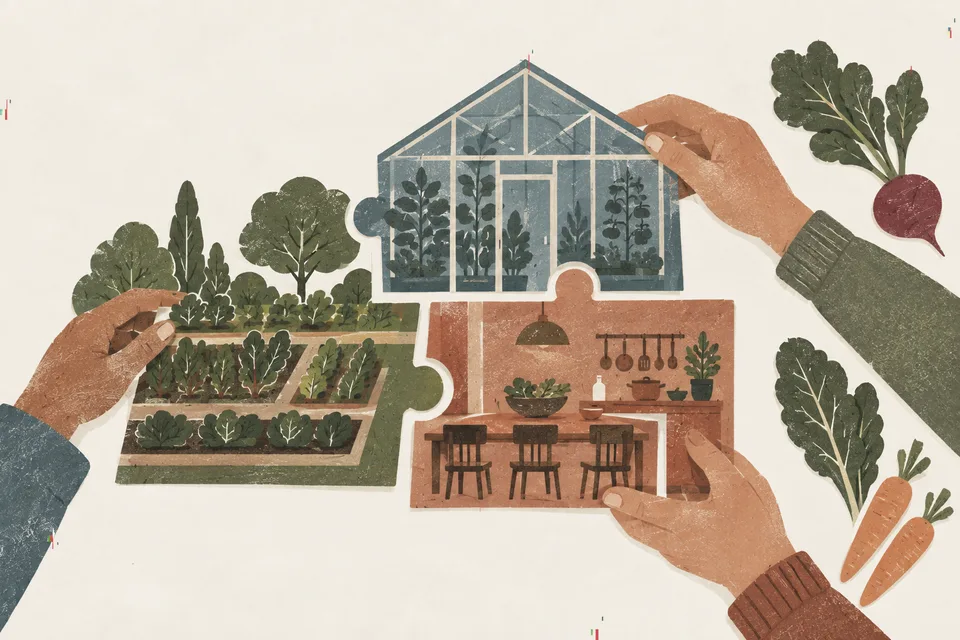
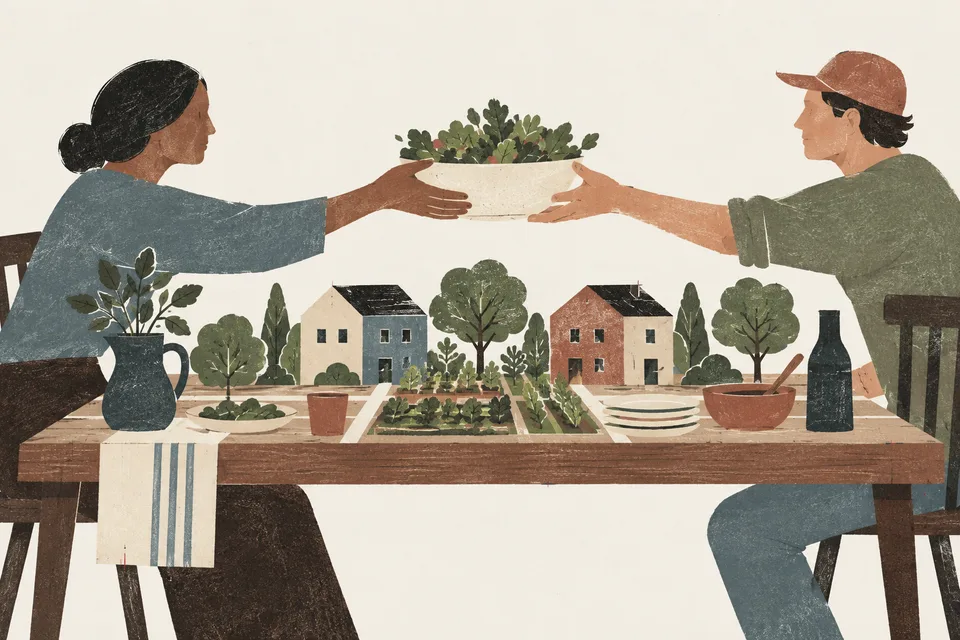
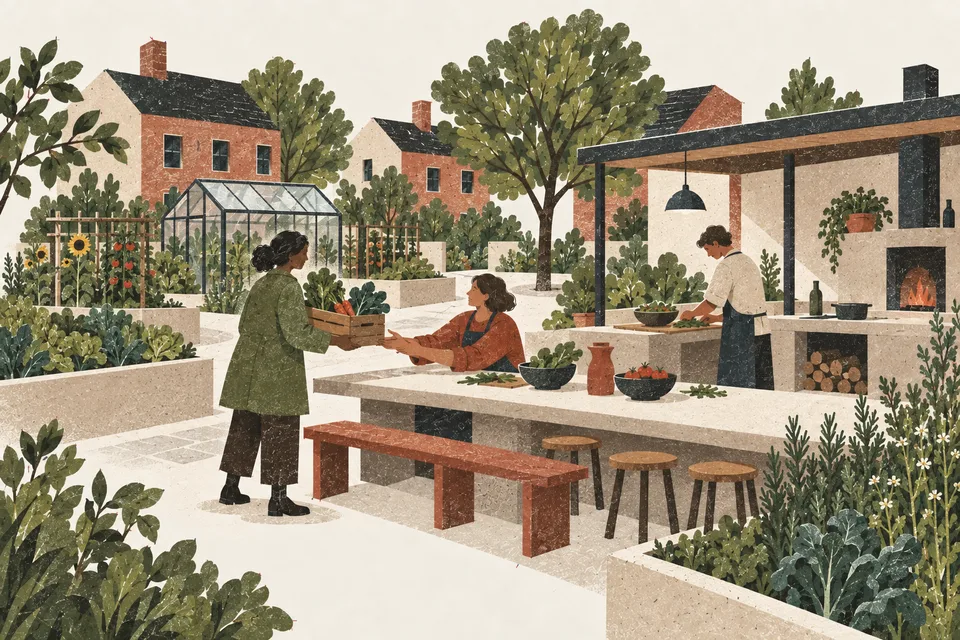
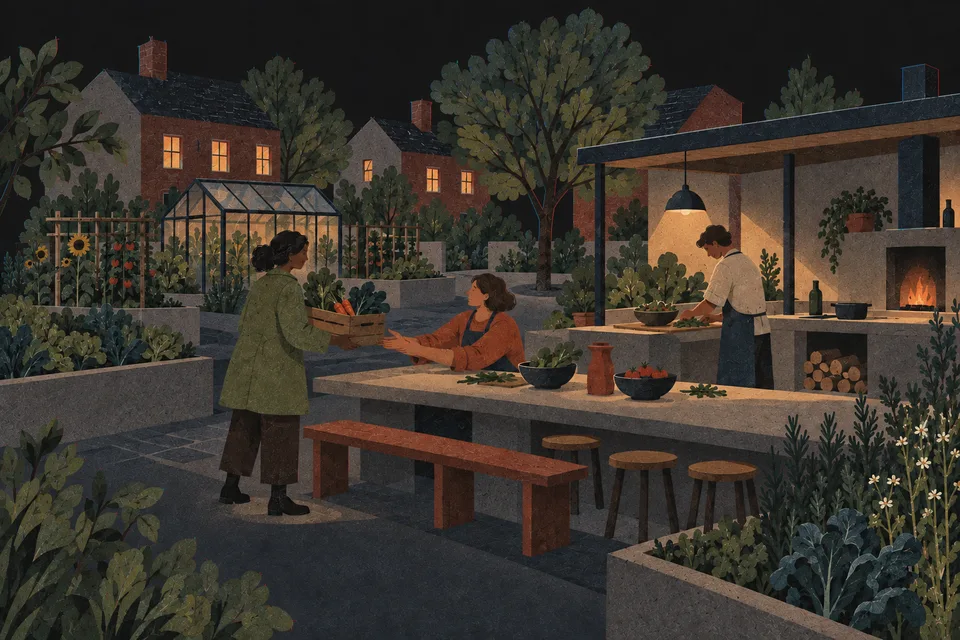
How can growing, cooking and sharing food shape a neighbourhood?
What it explores
Growing, storing, sharing, cooking and composting organise one neighbourhood system.
On the project page

Neighbourhood study, illustrated guide and Food Space Planner

Project02

Territorial resilience / Coastal urbanism

Featured author / Nishtha Gupta

Question
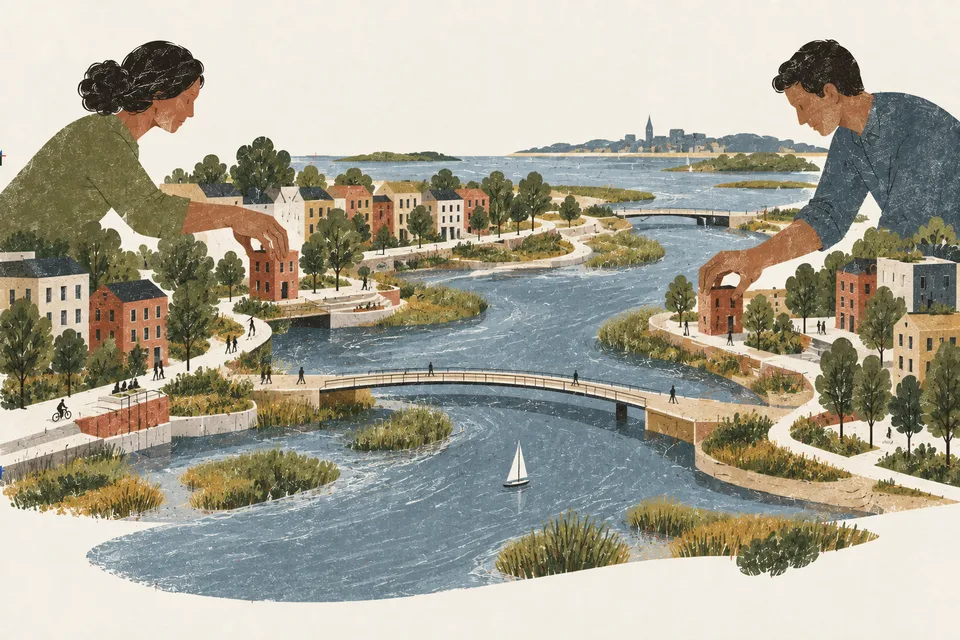
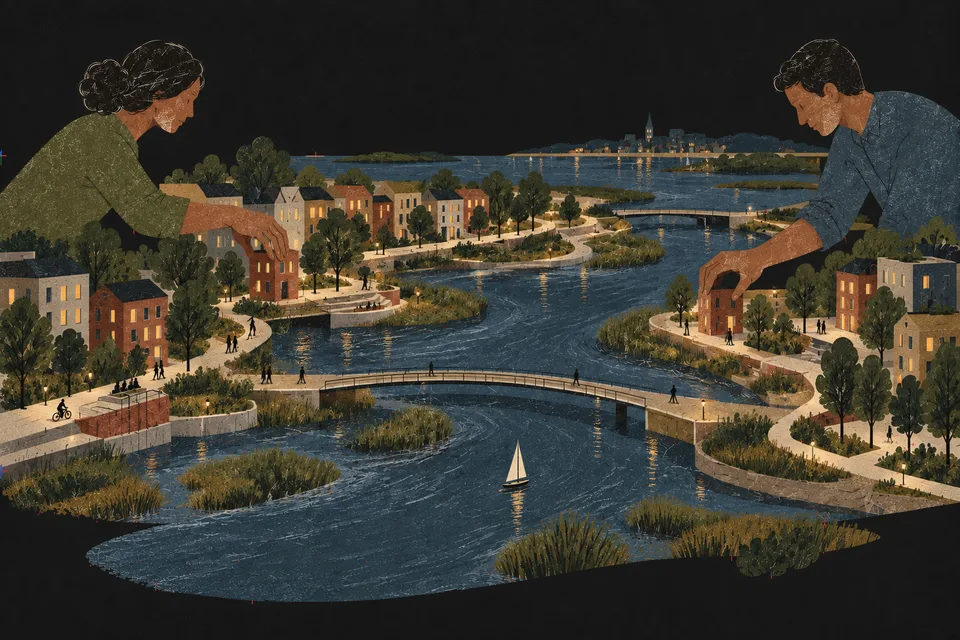
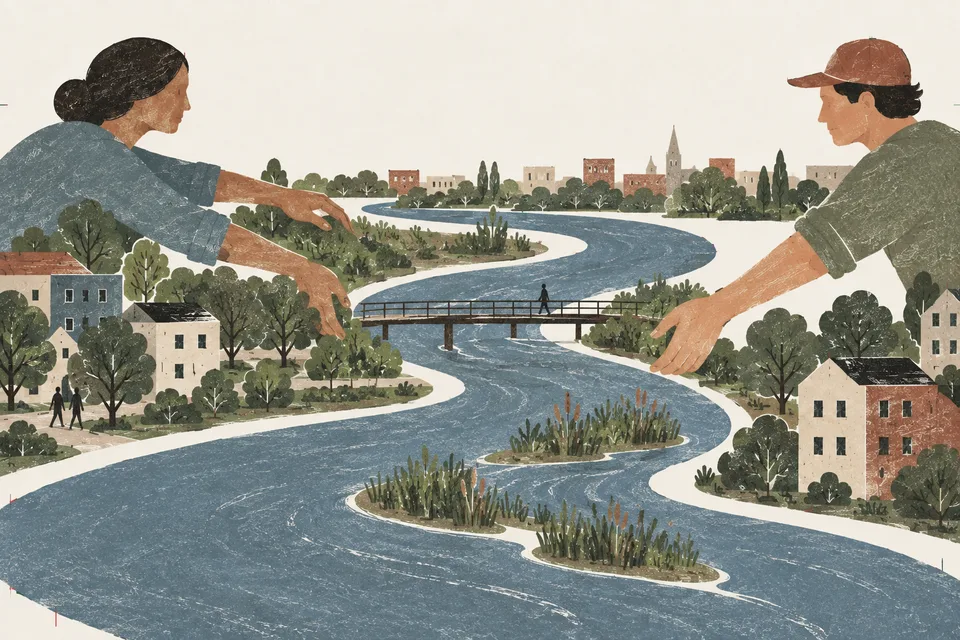
How can coastal cities grow with water rather than only defend against it?
What it explores
The study connects development decisions, water movement and urban growth.
On the project page

Six research plates, physical water tests and full team credits

Project03

Cultivated matter / Material Failure Atlas

Featured author / Hemant Jindal

Question
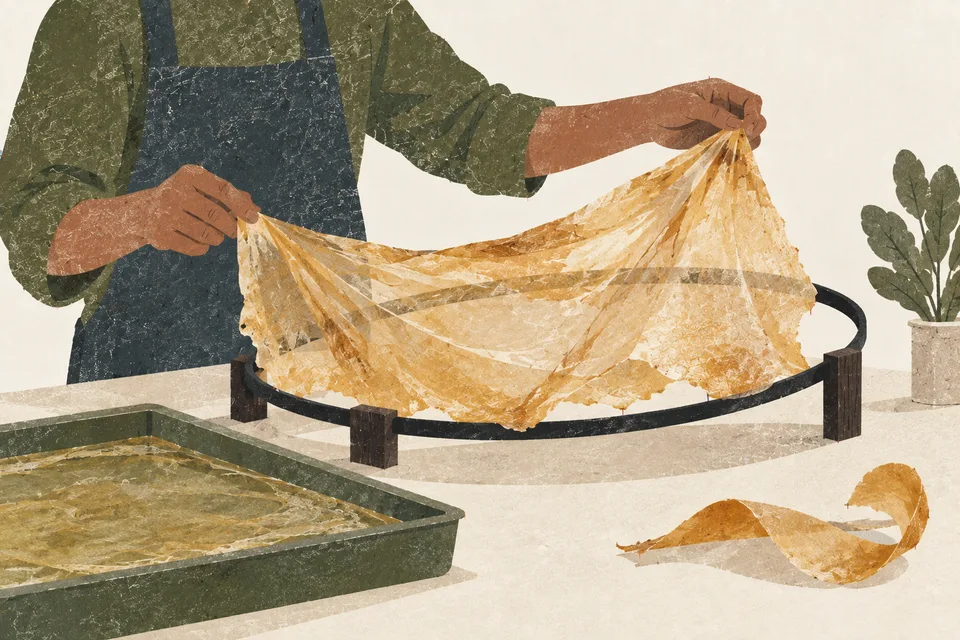
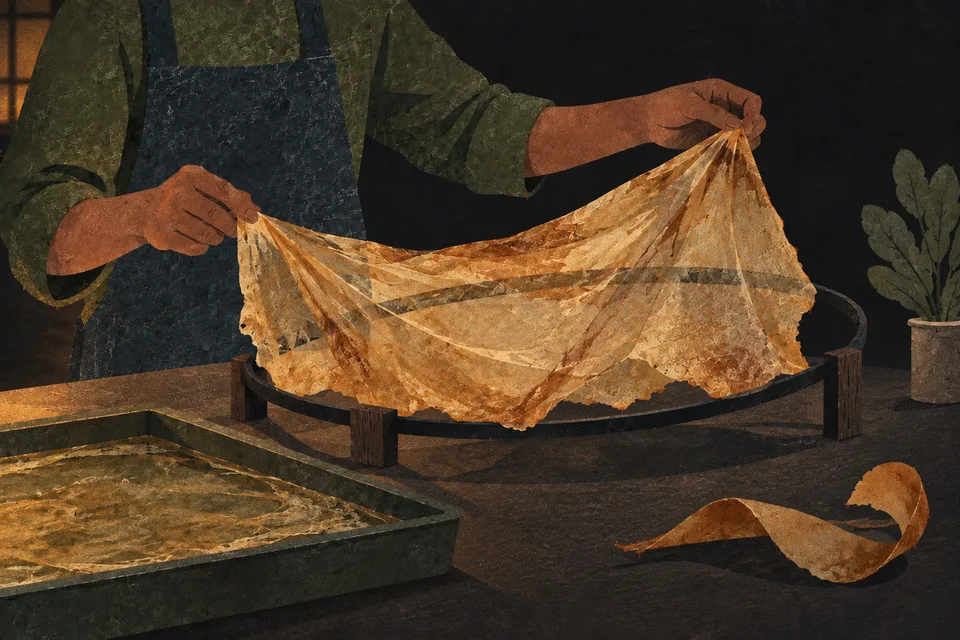
What can growing and drying cellulose teach us about making building materials?
What it explores
Experiments explore how growth, drying and shrinkage can shape cellulose sheets.
On the project page

25-plate material atlas, research booklet and full team credits

ToolkitBrowser toolT1

Planning tool / public fieldwork

Field Kit

Turn a question about a place into a printable fieldwork plan: what to investigate, where to go and what to record.

Browser tool available / no account requiredOpen Field Kit
ToolkitBrowser toolT2

Planning tool / from Food Park

Food Space Planner

Compare food-growing, cooking and sharing spaces based on local needs and available space.

Interactive browser edition / no account requiredOpen Food Space Planner

Essays / Ideas & arguments

The essays.

Three perspectives on food, water and cultivated matter.

Browse all essays
ToolkitPrintable pack

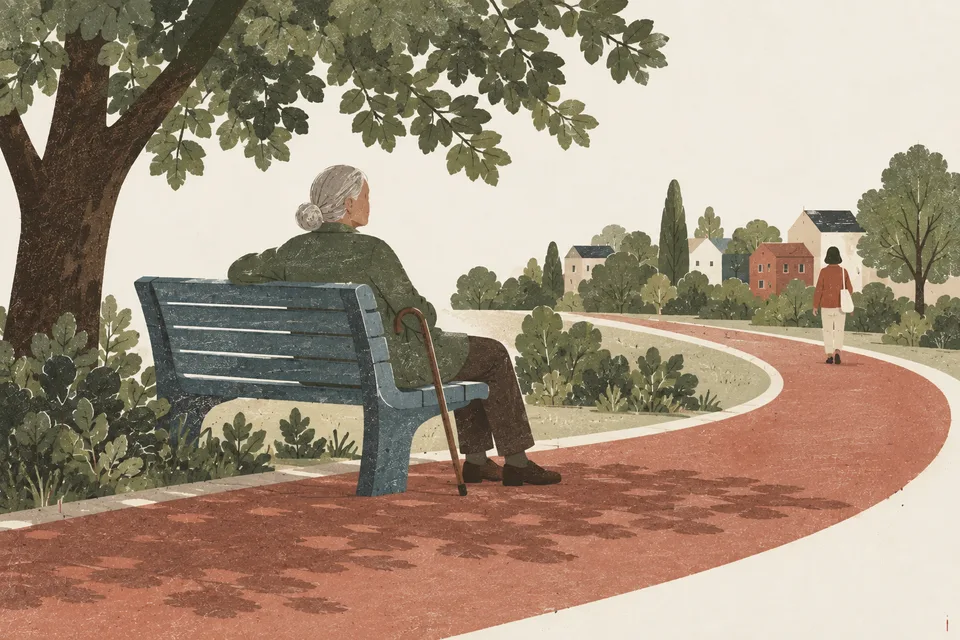
Take a Seat.

  1. 01Route

    Choose one manageable walking route.

  2. 02Measure

    Record every place to rest and every gap.

  3. 03Return

    Share the findings, including declined invitations and what did not change.

Open Take a Seat ↗

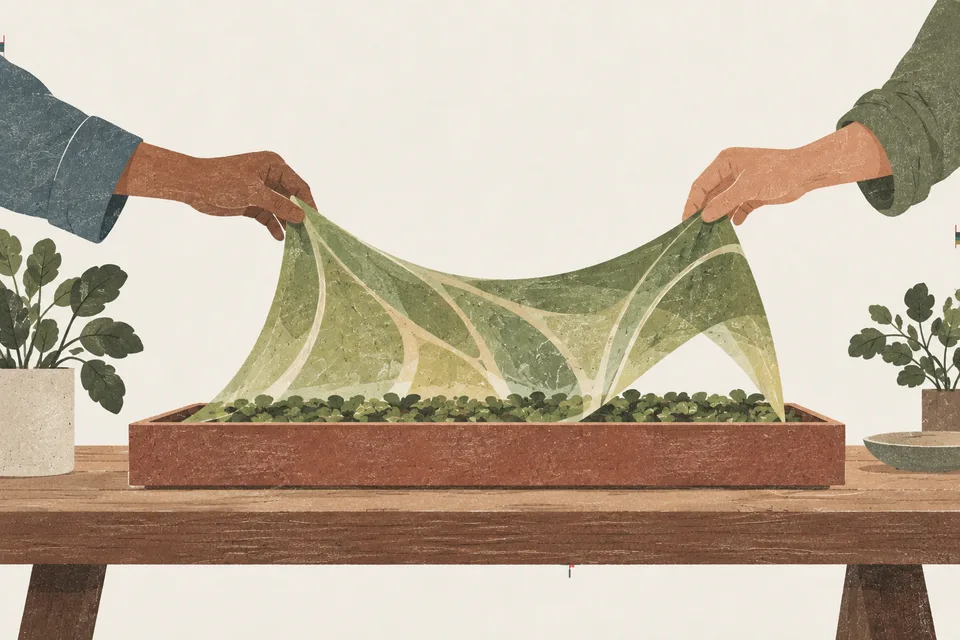
Editorial illustrations / Field Assembly

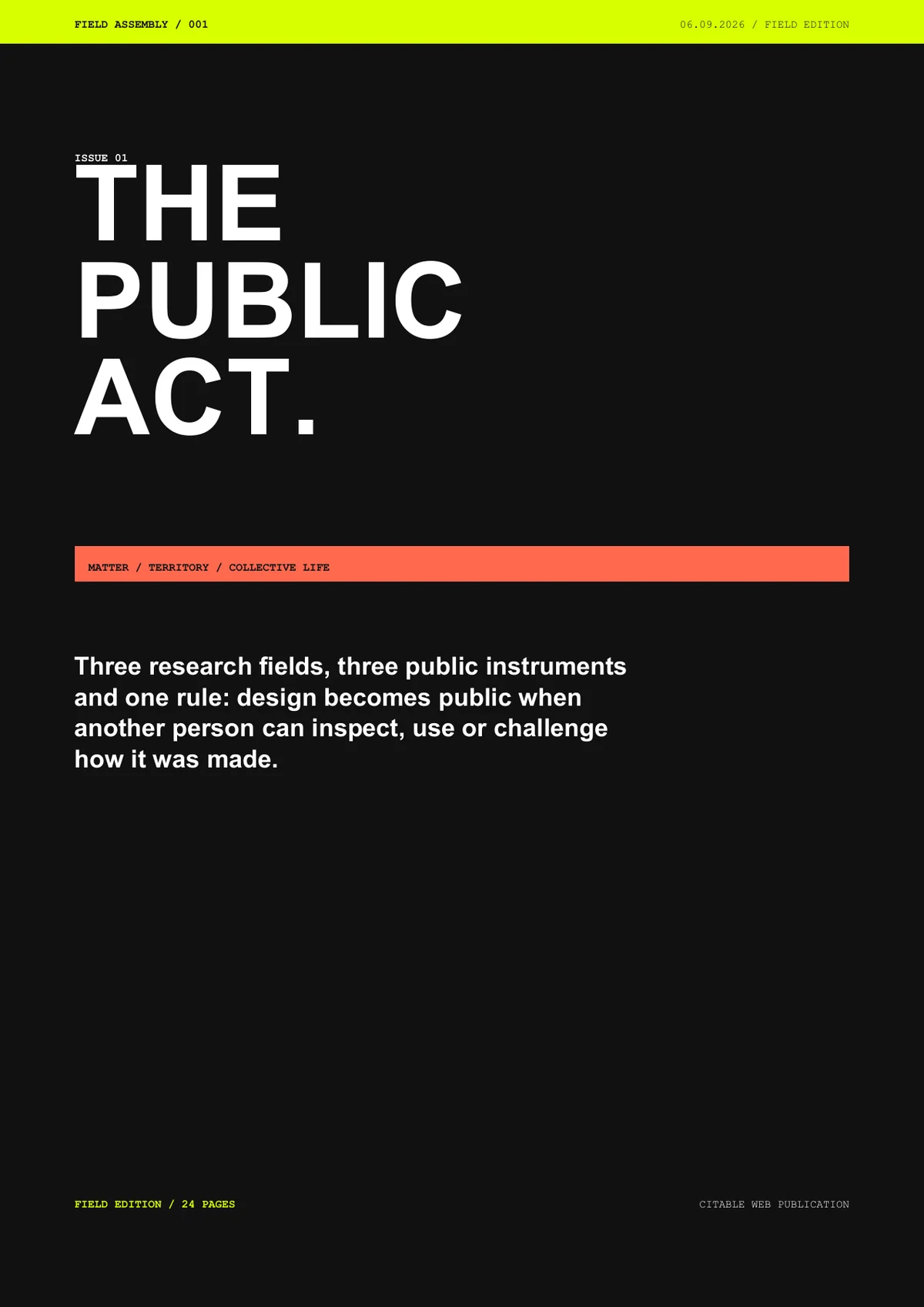
Actual cover of Issue 01: The Public Act, Field Edition, dated 6 September 2026.
Published Field Edition / cover / 06.09.2026

Field edition: 24 pages, revised 6 September 2026. Completed fieldwork is published separately from the open protocols.

Publication details

Publication record.

Edited by
Hemant Jindal · Anindita Shrivastava · Nishtha Gupta
Released
Revised
Reading time
Approx. 4 min / 12 min complete record
Edition
Web edition / published 1 August 2026
Cite this page

Hemant Jindal, Anindita Shrivastava and Nishtha Gupta, eds. “Issue 01: The Public Act.” Field Assembly, Issue 01. Published 1 August 2026; revised 14 September 2026. https://fieldassembly.press/editions.
Email citation ↗
Page summary

In brief

We asked

What connects the work in Issue 01?

What this page shows

Issue 01 brings three architectural studies, signed essays and practical fieldwork tools into one web and print edition.

What’s included Issue 01: The Public Act